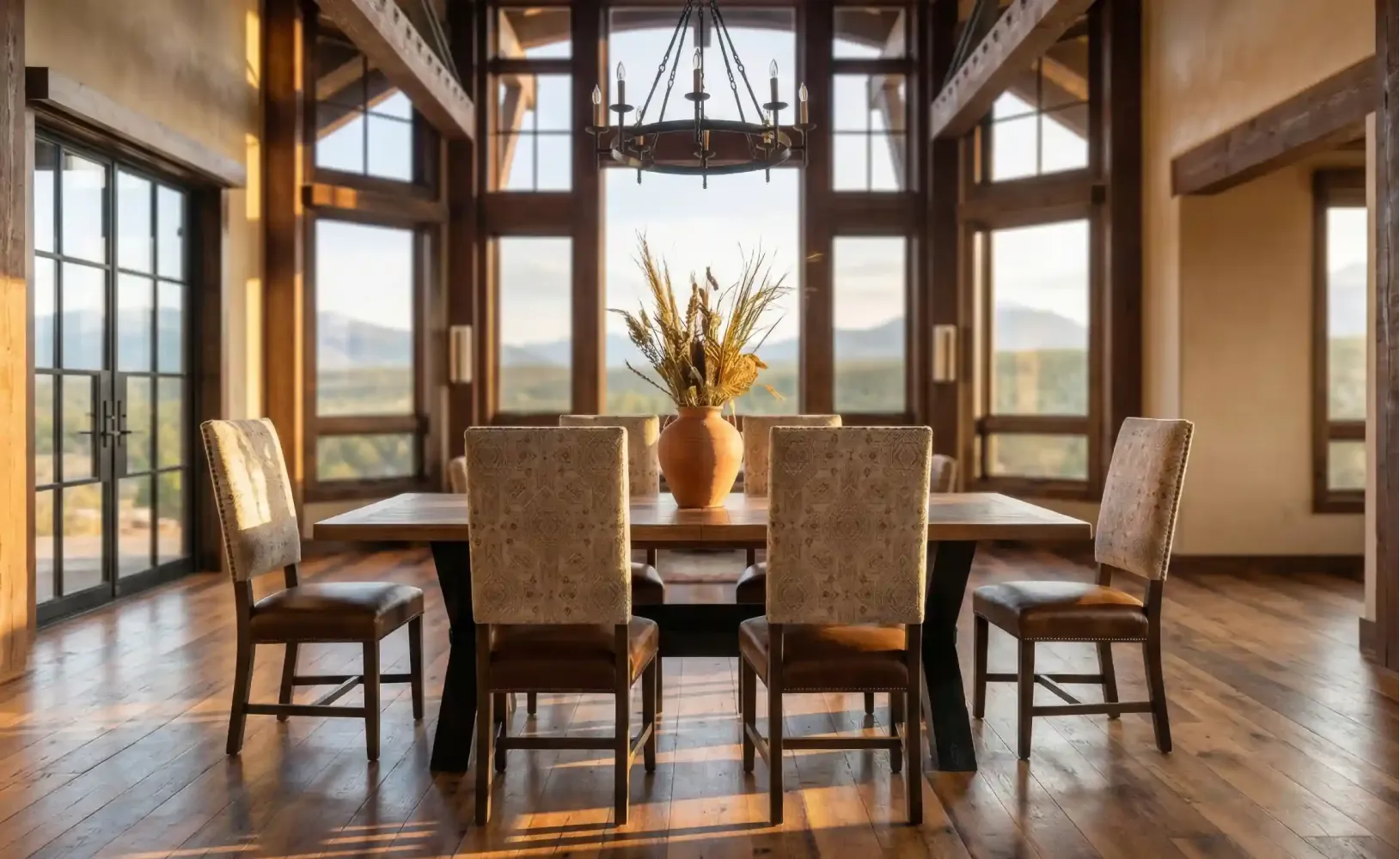
The Materials That Define Western Dining Design
Western dining spaces are defined not by excess, but by intention. At the core of this design philosophy are three foundational materials: leather, wood, and iron. These materials are not chosen simply for their appearance—they are selected for their strength, longevity, and ability to age with character.
When blended thoughtfully, leather, wood, and iron create dining spaces that feel grounded, authentic, and timeless. Rather than competing with one another, each material plays a distinct role, contributing texture, warmth, and structure. Understanding how these elements work together is essential to creating a Western dining room that feels both refined and welcoming.
Why Leather, Wood, and Iron Belong Together
Western design has always been rooted in utility and craftsmanship. Historically, western furniture was built from materials that could withstand daily use while maintaining their beauty over time. Leather, wood, and iron naturally complement one another because they share these qualities.
Wood provides warmth and visual weight, leather adds comfort and softness, and iron introduces contrast and structure. Together, they create balance—preventing a space from feeling either too rustic or overly polished.
The Role of Wood in a Western Dining Space
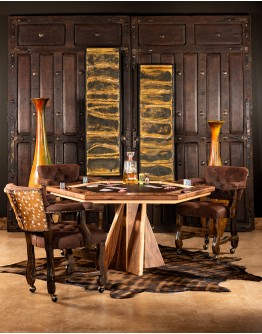
Wood serves as the foundation of Western dining rooms. Whether used in tables, chairs, or architectural elements, wood establishes scale and permanence. Natural grain patterns, knots, and variations add depth, ensuring that each piece feels unique.
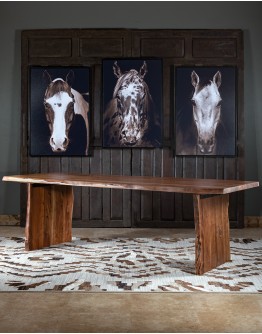
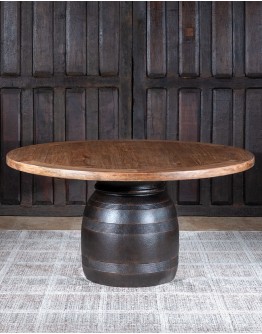
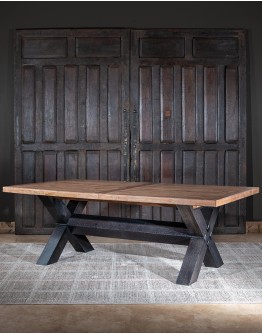
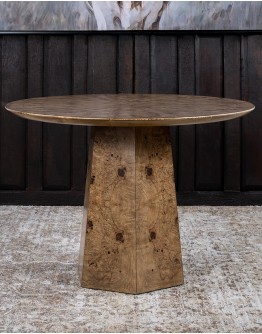
In dining spaces, wood is most often expressed through the table itself. A solid wood dining table anchors the room and sets the tone for all other materials. The finish should feel natural and rich rather than overly glossy, allowing the character of the wood to remain visible.
To explore more foundational pieces visit our Western Dining Tables.
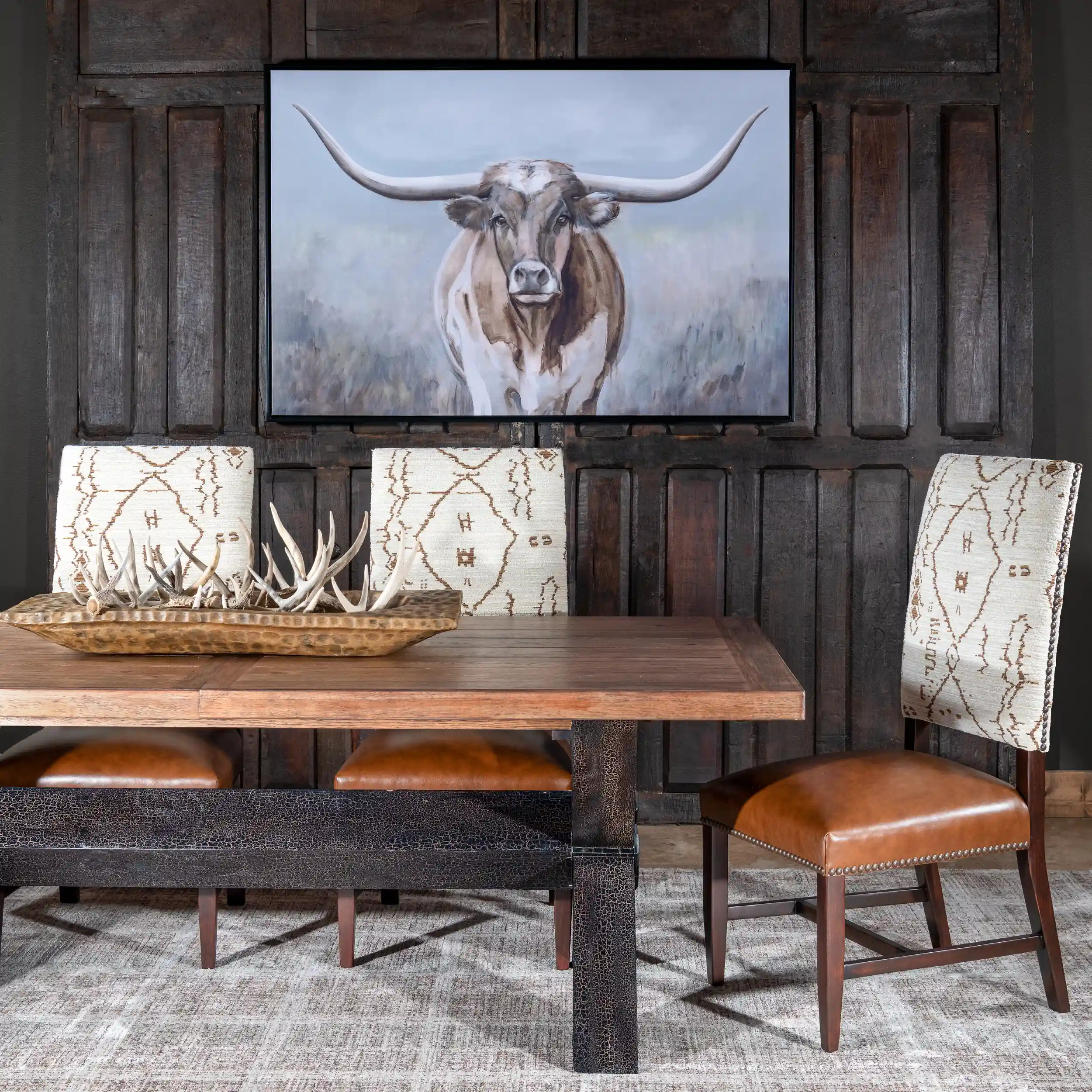 TX Trestle
Dining Table 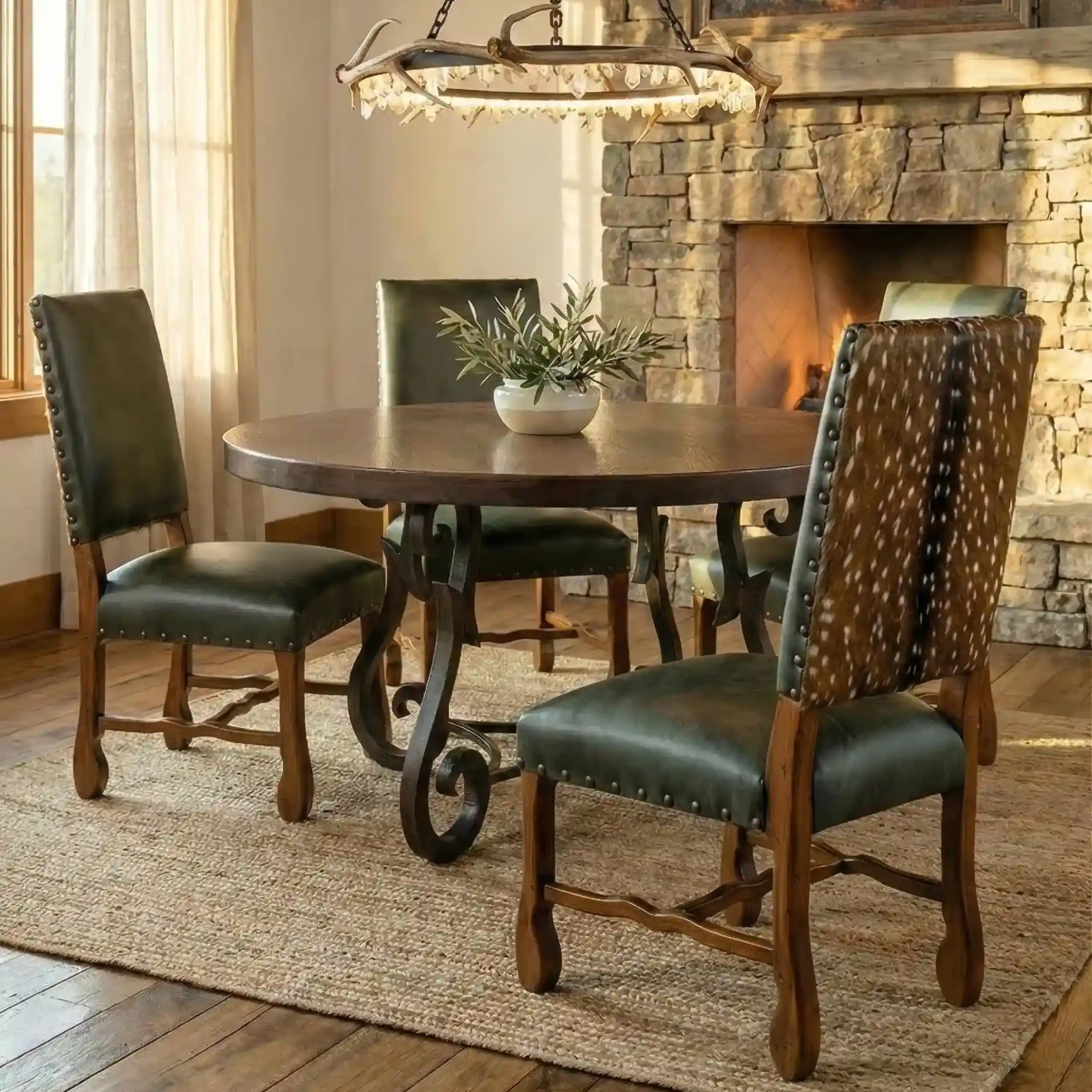 Copper Top Round
Dining Table
Leather: Comfort, Texture, and Timeless Appeal
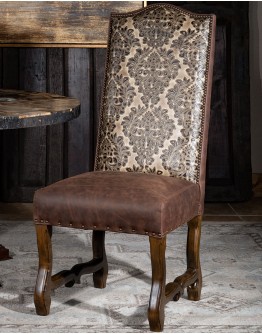
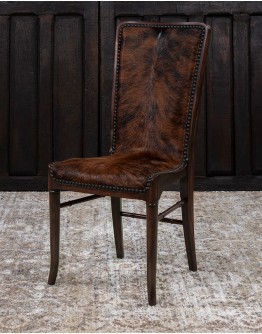
Leather brings an essential softness to Western dining spaces. While wood and iron establish structure, leather ensures comfort. Its tactile quality invites guests to relax and linger, making it ideal for dining rooms designed for long meals and conversation.
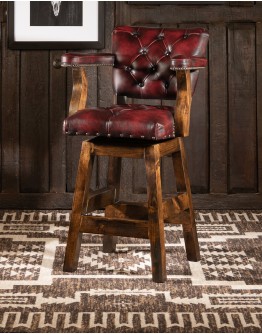
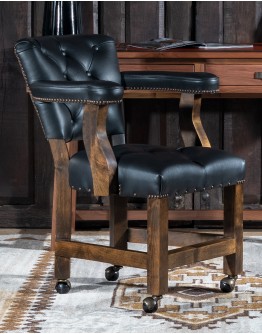
One of leather's greatest strengths is how it ages. Over time, leather develops a patina that adds depth and character rather than wear. This evolution aligns perfectly with Western design principles, where beauty is found in use rather than perfection.
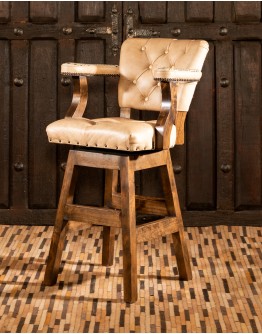
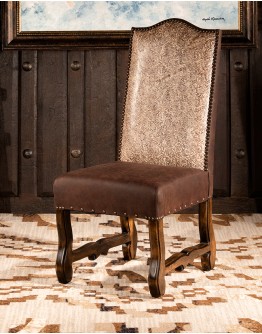
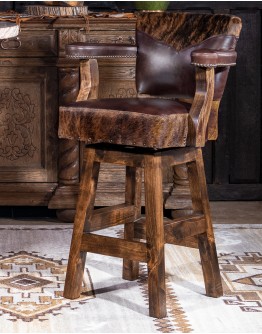
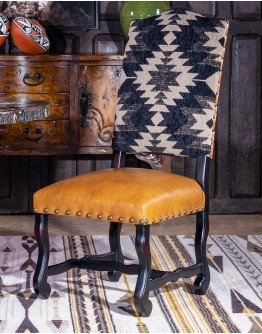
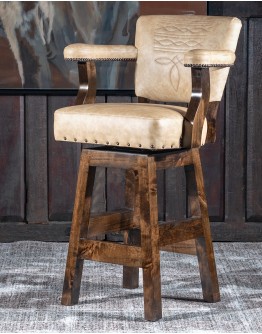
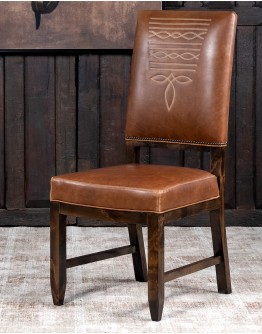
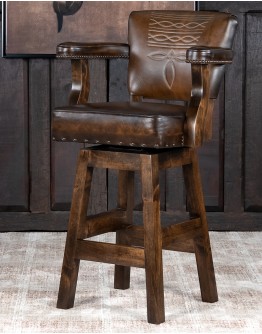
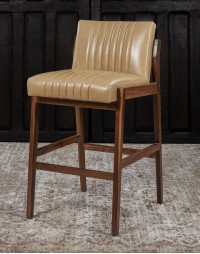
Leather is most commonly introduced through dining chairs, benches, and barstools seating. Well-crafted leather seating provides both support and warmth, balancing the harder surfaces within the room.
Browse more seating options inside our Western Dining Chairs.
Iron as Structure and Contrast
Iron plays a critical supporting role in Western dining design. It provides visual contrast and reinforces structure without overwhelming the space. Used thoughtfully, iron prevents wood and leather from feeling too soft or informal.
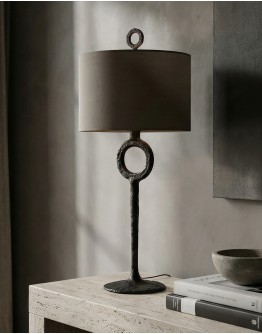
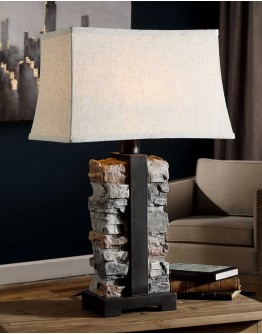
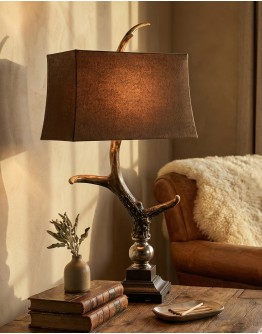
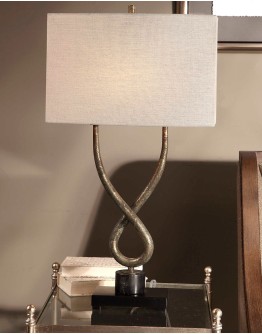
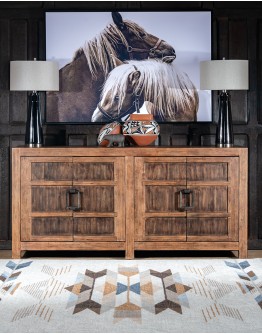
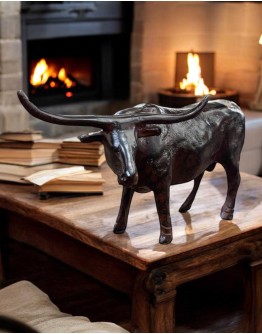
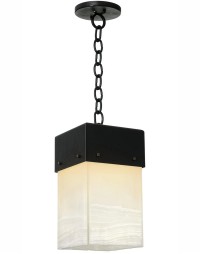
Common applications of iron include table bases, lighting fixtures, hardware, and decorative accents. Hand-forged or aged finishes are preferred, as they add texture and authenticity while avoiding a manufactured appearance.
Achieving Balance Through Proportion
The key to blending leather, wood, and iron successfully lies in proportion. No single material should dominate the dining space. Instead, each element should support the others, creating a cohesive and intentional environment.
Design considerations include:
- Pairing substantial wood tables with lighter seating
- Using iron accents sparingly to define structure
- Allowing natural finishes to remain visible
- Avoiding overly polished or synthetic materials that disrupt authenticity
Layering Materials Without Overwhelming the Space
Western dining rooms benefit from restraint. Rather than introducing too many finishes or decorative elements, successful spaces focus on a limited palette of materials executed exceptionally well.
Layering should feel organic rather than staged. For example, a solid wood table paired with leather chairs and an iron chandelier creates depth without clutter. Each material is given room to breathe, allowing the space to feel open and balanced.
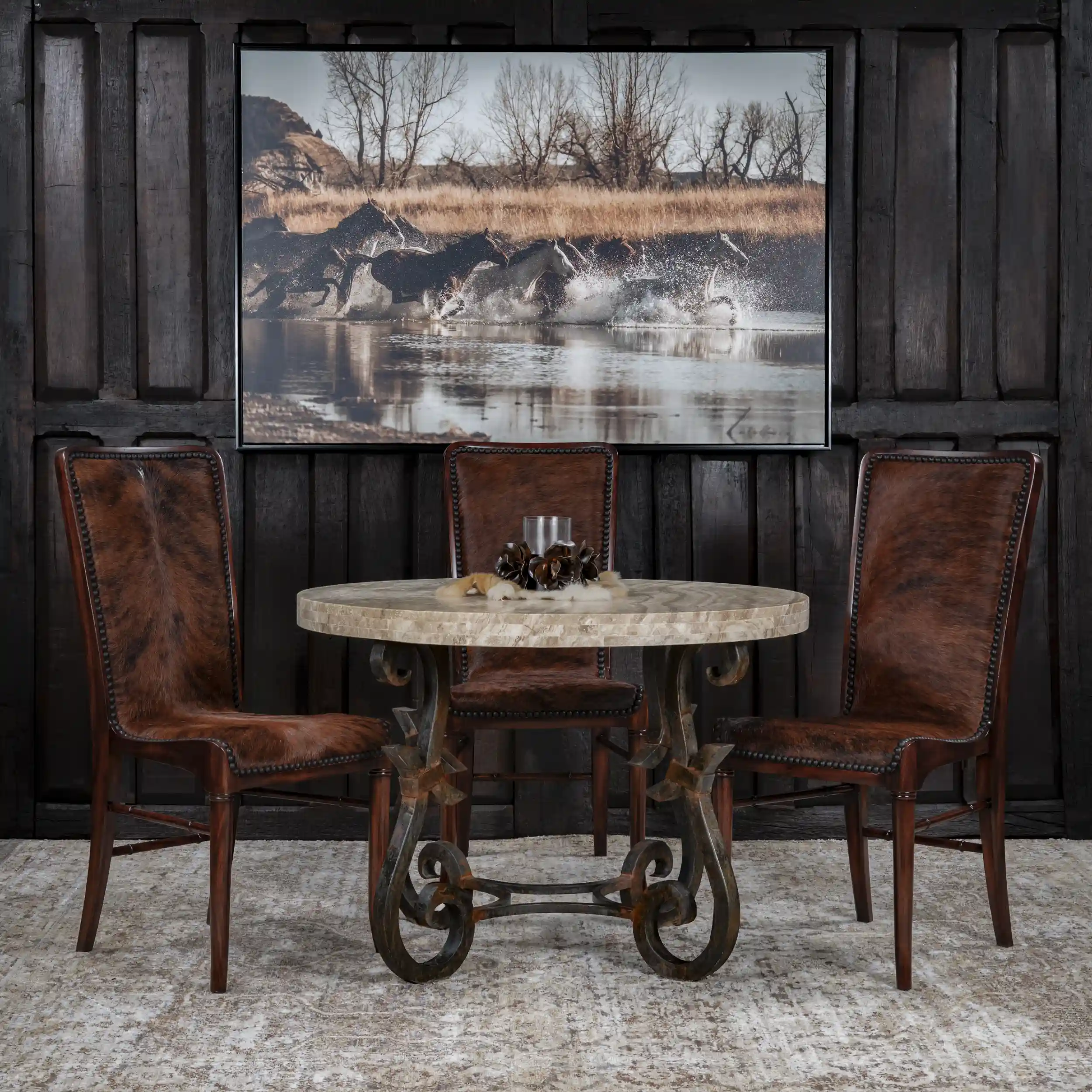 Travertine
Round Table 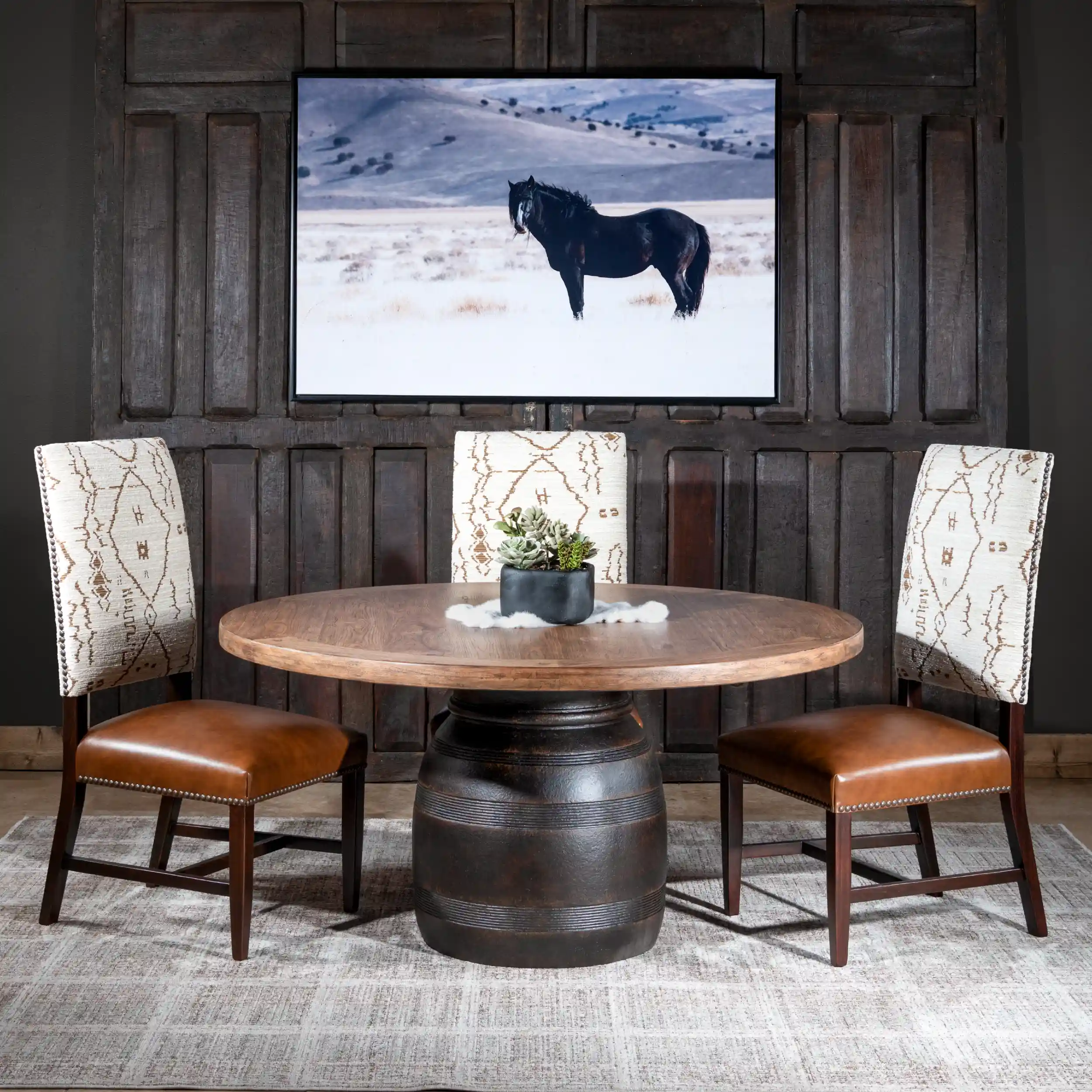 TX Round
Dining Table
Common Mistakes to Avoid When Mixing Materials
While blending materials is central to Western dining design, certain missteps can disrupt the harmony of the space. Avoiding these common mistakes helps maintain balance and authenticity.
Mistakes to watch for include:
- Overusing metal, which can make the room feel cold
- Selecting overly distressed finishes that feel artificial
- Mixing too many wood tones without a unifying element
- Prioritizing appearance over comfort, especially in seating
Designing a Cohesive Western Dining Experience
When leather, wood, and iron are blended with intention, the dining room becomes more than a functional space. It transforms into an environment that supports gathering, conversation, and everyday living.
This material-driven approach ensures that Western dining rooms remain timeless rather than trend-driven, allowing the space to evolve naturally as materials age and develop character.
A Timeless Approach to Western Dining Design
Western dining spaces built on leather, wood, and iron reflect a design philosophy rooted in durability, craftsmanship, and authenticity. By focusing on these core materials and balancing them thoughtfully, the dining room becomes a place meant to be enjoyed for generations.